

Online Sessions
Online Primer Courses to Get Started
Before we break ground, join us monthly for our virtual series—a deep dive into the vision, science, and passion behind the Macario Project.
These free online sessions are designed to introduce you to our expert instructors and the cutting-edge methodologies they have mastered over the course of their careers.
While our on-site residencies provide the master-level technical training and hands-on experience, the online courses offer a unique perspective to learn more about the team, the site and the collaborative nature of the project.
You’ll meet the instructors, explore the project’s goals, and take part in the transformative potential of bio-based materials.
These sessions are the perfect starting point to find your focus and spark the inspiration needed for the full, immersive experience in Mexico.
2026 Free Online Sessions Calendar
Session 01May 15th
Kickoff Session
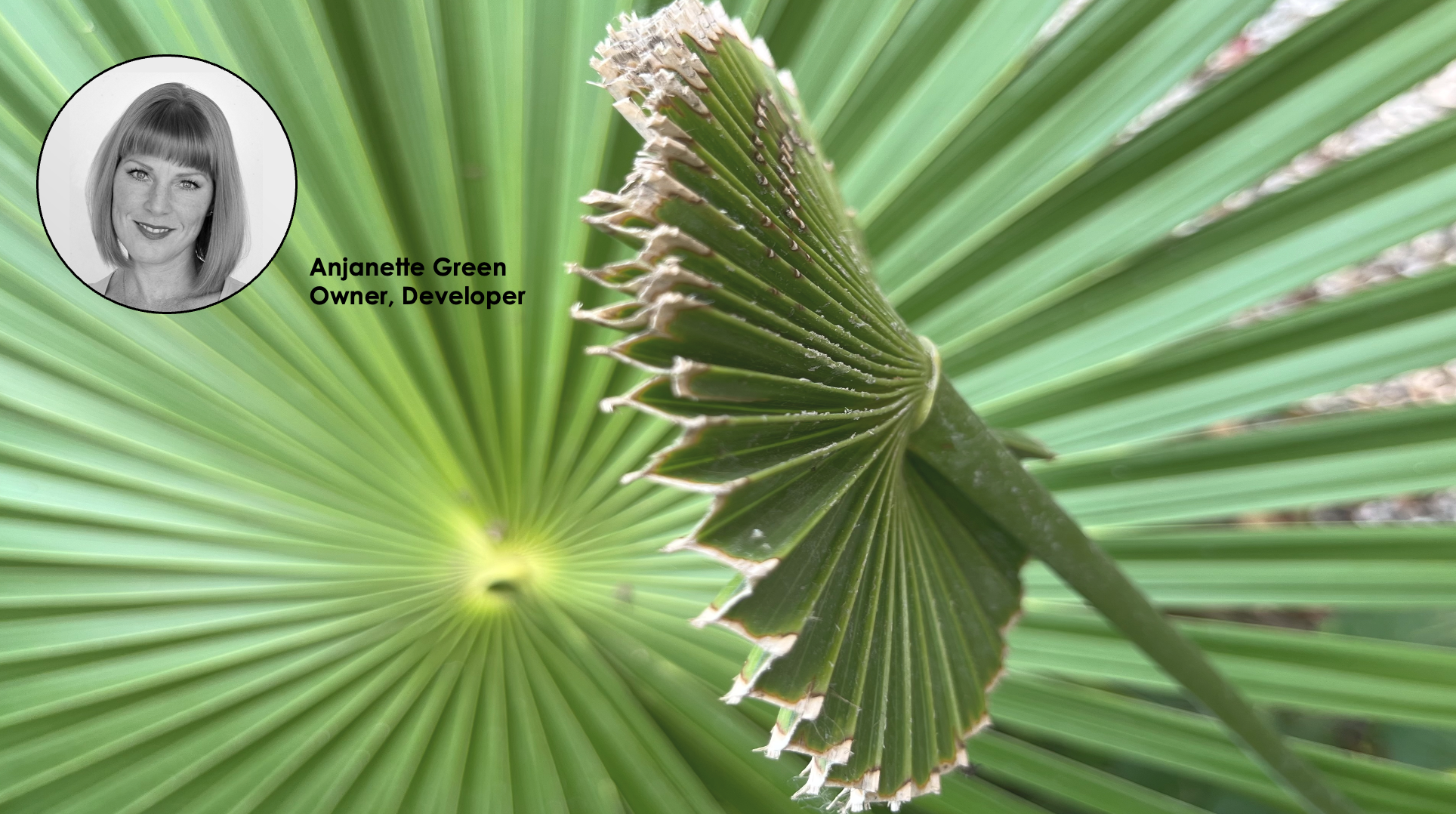
Discover the future of sustainable building with Anjanette Green, developer of the Macario Project.
In this one-hour session, Anjanette will introduce this innovative bio-based, low-carbon build, highlight key project goals, and introduce the team. Bring your questions to the Q&A to learn how you can get involved.
Anjanette is an Interior Architect and material specialist with 20 years of experience. In 2016, she led a zero-waste building project in the Peruvian Amazon and has travelled the world researching and advocating for bio-based, low-carbon materials.
She holds Auditor, Assessor, and third-party verifier titles and 9 years as WELL Materials Advisor. She is the recipient of Living Future Hero Award and WELL Trailblazer Award.
Session 02June 18th
Miguel Vazquez - Bamboo
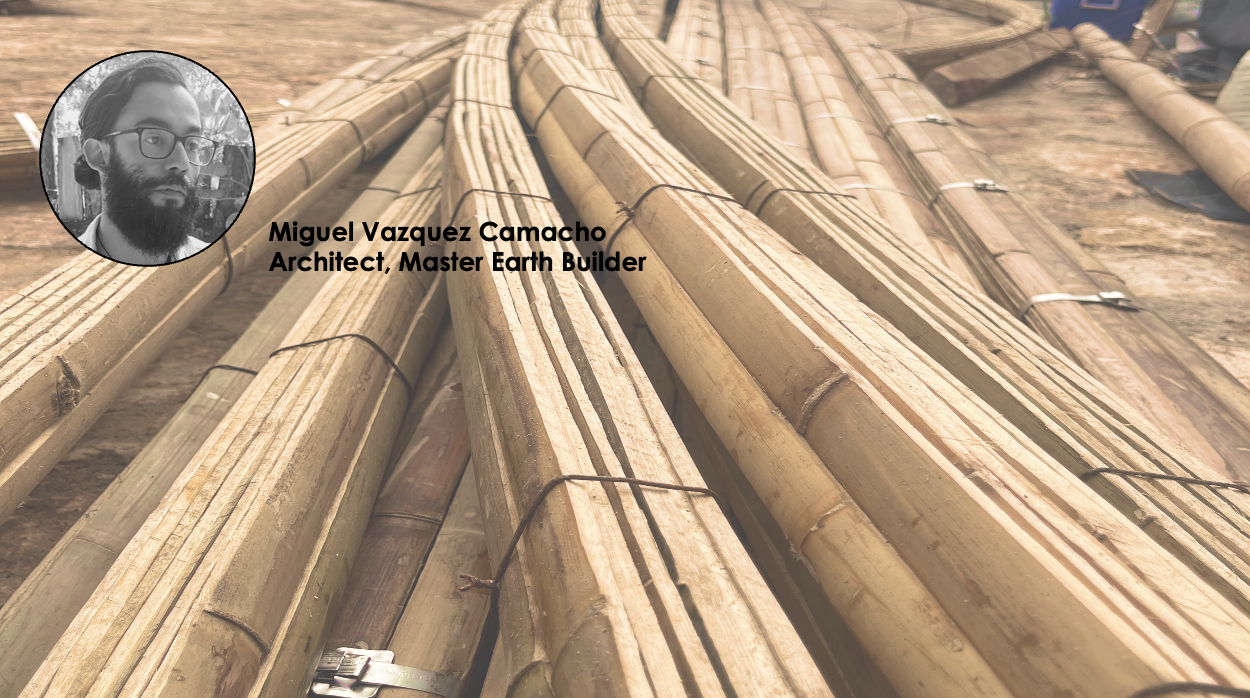
Bamboo is one of the most dynamic materials to build with, yet most do not understand how to apply it in contemporary construction.
Enter Miguel Vazquez, a master builder and bamboo veteran who will present the fundamentals of bamboo and its practical applications.
Based in Tulum, Mexico, Miguel Vazquez is the founder of Siembra Arquitectura and Mistikal Design. Miguel specializes in sustainable, ecological architecture, focusing on structural innovation with natural materials.
As a master of bamboo construction, he brings extensive expertise in integrating bio-based materials into technical, high-performance projects.
Session 03July 16th
Eduardo Barba & Santiago Caridad - Rammed Earth
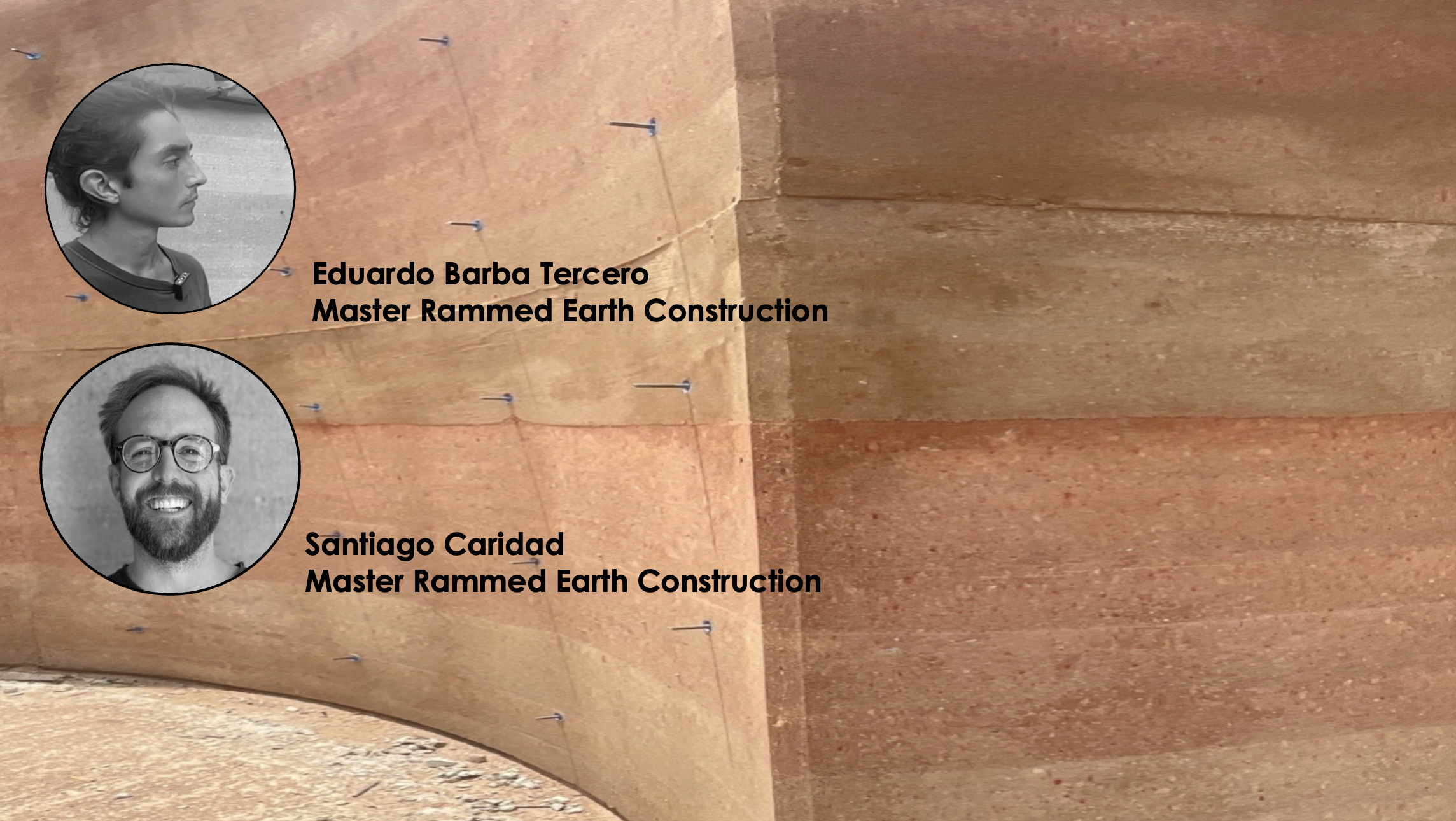
The aesthetic of rammed earth has captivated people for millennia and has been used as a building material around the world.
Join Eduardo (Eddy) and Santiago for a broad overview of this sustainable, striking construction method. You’ll be inspired by their combined experiences using this incredible material, showing how universally accessible it can be.
Eddy and Santiago are founders of Bahía Bloquera, a compressed earth block (CEB) manufacturer in Puerto Escondido and Hecho en Tierra architecture firm.
Blending the roles of craftsmen and entrepreneur, these two are a force in earth construction and bio-based materials, merging hands-on fabrication with systems thinking and bioregional design.
Session 04August 13th
Ashley Javogue - Bagasse
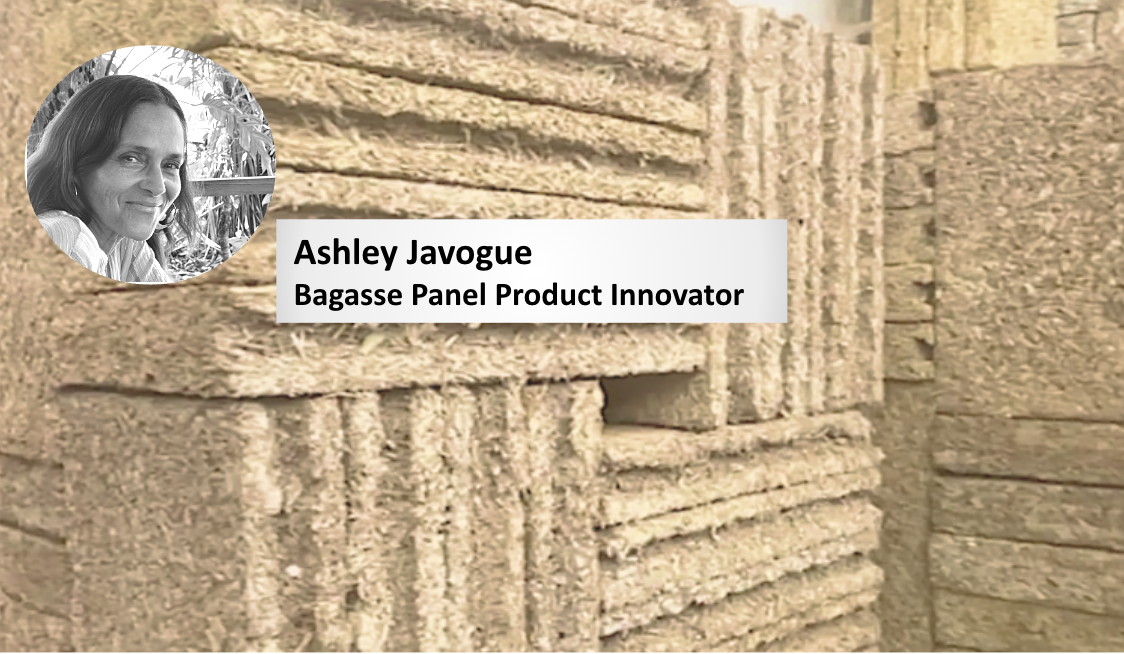
Agricultural waste is one of the most onerous contributors to carbon emissions but an innovative business in Costa Rica is changing that.
ZegreenLab uses plant fiber "waste” (sugarcane, hemp, pineapple stems and rice husks) to create low-carbon, thermal insulating building products that stand up in extreme climates.
An innovator and positive disruptor, Ashley has been a force for change in the natural building industry for over a decade.
As one of Central America’s first agro-waste to bio-product manufacturing plants, she is also the first Costa Rican manufacturer to attain the Declare Label from the Living Future Institute for her Bagablocks, Bagapanels and Bagacal products.
Learn how Ashley applies her practical experience in using waste streams for innovative purposes.
Session 05Chris Magwood & Chris Youssef
Did you know that 1.1 billion people live in self-built, informal housing? In fact, in many developing regions, self-built homes represent 80% of the residential sector.
By 2030, the world will need to build 96,000 new homes per day just to keep up with population growth, and most of these new structures will also be built by hand, using site- and locally-sourced materials.
Did you also know that none of these structures can be included in global carbon accounting? Not the ones standing today, and not the millions yet to come — because the standard that would let us measure them has never been written. Until now.
During this one-hour session, Chris Magwood and Chris Youssef sit down to unpack a glaring oversight in our industry: why no PCR (Product Category Rule) has ever existed for non-industrial, site-sourced materials, and what that gap has meant for self-built and bio-based construction worldwide.
September 24th
Watch the Online Session Recordings
May 15th Kickoff Session
Join Anjanette Green, Developer of the Macario Project, as she introduces this innovative bio-based, low-carbon build.
She will highlight key project goals, and introduce the team.
There is a Q&A at the end and information on ways to get involved and support the project.
July 16th Rammed Earth Session
Join Eduardo Barba and Santiago Caridad for session three of our online learning series where they present one of the world’s oldest building materials - rammed earth. Full of incredible photos of historical earth construction and contemporary projects of their own, this session is packed with information.
June 18th Bamboo Session
In this session, Miguel Vazquez, master earth builder and bamboo expert presents the fundamentals of bamboo, its practical applications in contemporary architecture and his passion for this amazing bio-based material.
Hosted by A Greener Space Builds, this is the second presentation in a series of informative "meet the instructor" online sessions leading up to the on-site build in Macario Gomez, Mexico.
August 14th Fiber+Lime Insulating Panels
Did you know that agricultural waste is one of the most onerous contributors to carbon emissions? Shockingly, agriculture generates over 998 million tons of crop residues (stems, leaves, husks, and stalks) globally, every year! In this session, Ashley Javogue, owner of Zegreenlab Construction will show us how “waste” like sugarcane, hemp, pineapple stems, and rice husks are used to create thermal insulating panels for the construction industry.